
A successful trade show presence does more than just fill a space; it strengthens brand identity and serves as a vital driver of the event's success. The intersection of meticulous planning and technical expertise forms the necessary foundation to translate sophisticated architectural concepts into reality. Through a structured process, it is ensured that every design nuance and functional requirement is brought to life without any loss of quality. When specialist departments and global logistics interlock seamlessly, high-quality execution is achieved, on schedule, at any location worldwide. This article outlines the critical steps required for the seamless realization of a professional trade show stand.
The Foundation of Success: Essential Elements of Brand Staging
Before the physical build begins, the functional requirements of the space must be defined in detail. Intelligent zoning forms the basis for effective visitor guidance and measurable interactions. Therefore, achieving full technical clarity before the project begins is essential to establishing the planning security required for even the most demanding structural designs.
Functional Zones and Strategic Space Allocation
A professional stand is divided into distinct areas, each fulfilling a specific communicative role. The reception area serves as the primary touchpoint and must immediately communicate the brand identity. For deeper engagement, the integration of discrete meeting zones offers a focused atmosphere away from the busy trade show floor. On the other hand, product presentations often require specialized media installations or load-bearing platforms. Finally, a functional back-office area is essential for both logistics and the well-being of the stand personnel.
Critical Preparations for the Realization Phase
To ensure a smooth process at the assembly site, all permits and technical drawings must be finalized and approved well in advance. This includes structural calculations for complex setups as well as detailed electrical and plumbing layouts. A precisely timed logistics chain is a decisive element of this preparation: managing the delivery of all system components ensures that materials arrive on time so the assembly can begin without delay. Additionally, specialized design teams verify that all graphics and surface materials meet exact specifications. Similarly, early coordination with the venue regarding assembly windows is indispensable for a successful build.
Checklist: Requirements for a Seamless Start to Set Up
Structured preparation significantly minimizes the risk of unforeseen delays. The following overview serves as a guide for the final planning phase:
-
Technology & Permits: Have all structural approvals, fire safety certificates, and technical orders (electricity, water, rigging) been confirmed by the organizer?
-
Logistics & Delivery: Are the time-slots for loading and unloading fixed? Is the logistics chain from the warehouse to the hall gate fully coordinated?
-
Graphics & Branding: Have all print files been triple-checked, proofs approved, and finished graphics packed securely for transport?
-
Staff & Briefing: Are the on-site leads defined, the assembly teams briefed on the specific details, and all necessary access authorizations secured?
The Step-by-Step Assembly Workflow
To maximize efficiency, the assembly follows a strict logistical choreography, ideally managed by a single organization that coordinates all trades. This centralization ensures consistent quality throughout every phase and allows for real-time progress monitoring through modern management systems. This proactive approach allows for the identification and resolution of potential challenges before they impact the schedule.
Phase 1: Foundation and Structural Backbone
The process begins with the precise measurement of the stand area and the installation of necessary floor connections. Once the flooring is set, the load-bearing elements and truss systems are raised. This phase requires the highest level of craftsmanship, as these components form the structural backbone of the entire structure. Here, modular systems are often utilized to pair high flexibility with premium aesthetics, ensuring that every connection meets global safety standards.
Phase 2: Interior Fit-out and Wall Installation
With the primary structure in place, the focus shifts to wall assembly and the integration of media technology. Achieving a truly premium aesthetic requires a flawless finish on all exhibition walls to ensure a high-quality impression. Custom lighting and digital touchpoints are built directly into the stand’s structure for a seamless look. The focus remains on eco-friendly materials, utilizing high-grade, sustainable resources that enhance both the durability and the lifespan of the construction. It is in this phase that the design concept finally transforms into a tangible, immersive experience.
Phase 3: Finetuning and Turnkey Handover
The final big step involves the placement of furniture and the calibration of technical components. After a thorough final cleaning, every detail is checked for functional excellence. During this stage, the trade show team receives a detailed briefing on the installed technology to ensure smooth operation during the event. A final quality control confirms that all exhibits and interactive elements are in pristine condition for the opening bell.
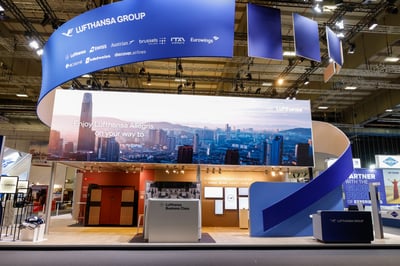
Real-world case studies provide the best inspiration for how brand identities are brought to life through architecture. A prime example of high-precision implementation is the project completed for Lufthansa, realized by the DACH team of ET GLOBAL.
Security and Success in Trade Show Stand Construction
The seamless setup of a trade show stand is the culmination of a strategic process that begins long before the exhibition hall doors even open. By implementing a structured on-site workflow, material delivery and assembly schedules are maintained with absolute precision. When technical coordination is managed by experienced specialists, marketing teams are freed to focus entirely on their core communicative objectives. This collaborative approach ensures that the final result is not just a visually impressive structure, but a powerful brand ambassador. By maintaining a holistic view of every technical detail, organizations gain the security needed to present their brand identity consistently and effectively. Ultimately, through careful planning and a phased build-out, a trade show appearance becomes a reliable foundation for comprehensive brand communication.
Gain further insights into the world of trade fair and event marketing