
At trade shows, luxury and premium products demand an exceptional setting. A conventional product display rarely suffices to convey a brand's heritage, craftsmanship, and identity with authenticity. What matters most is an intentional spatial concept that spotlights signature pieces while bringing brand values tangibly to life.
A successful trade show presence achieves this through a distinctive, unmistakable atmosphere where architecture, curated materials, sculpted lighting, digital media, and personalized consultation seamlessly converge. The result is a dedicated brand environment that stands intentionally apart from the bustling expo floor, offering visitors the breathing room to experience products on a far deeper level.
Why Luxury Brands Require Distinct Exhibition Concepts
On today’s trade show floors, countless exhibitors compete for attendee attention. Towering displays, loud media walls, and dense streams of information can quickly cause sensory overload. For luxury and premium marques in particular, the answer is not to communicate louder or bolder, but to translate brand identity into physical space with quiet confidence. In the prestige sector, perception is shaped by far more than product alone—provenance, design ethos, material caliber, and the art of presentation are equally decisive.
Well-conceived brand spaces create the ideal stage: they guide the eye toward selected hero products, articulate authentic brand values, and foster personal engagement with the portfolio. In doing so, the trade booth evolves beyond a simple display platform into an autonomous, powerful channel of brand communication.
Fewer Products, Greater Focus
Luxury exhibit design does not have to mean intricate or extravagant builds. More often, genuine impact stems from deliberate restraint: clear sightlines, fewer showcases, and generous breathing room.
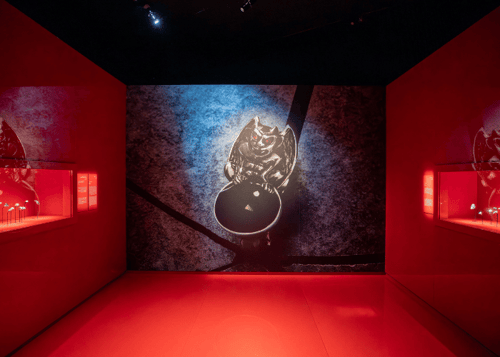
A minimalist architectural approach establishes crisp focal points. Instead of being crowded side by side, individual products receive their own stage. Attendees can fully appreciate fine details and engage more intimately with materials, bespoke features, and master craftsmanship.
Generous open spaces also cultivate an atmosphere of calm and prestige. They give the booth intuitive structure, facilitate effortless orientation, and provide a welcome contrast to the overstimulating trade show floor. However, this restraint must always align with the individual brand. A dynamic or digital-forward presence can equally excel in the luxury segment—provided it stems organically from core brand identity.
Materials and Details Convey Quality
The selection of materials lies at the heart of the spatial brand experience. Surfaces, textures, and craftsmanship are not simply seen; they are touched and felt. As such, they directly influence the lasting impression visitors form of both the brand and its creations.
True prestige does not arise from expensive finishes alone. What truly matters is a curated selection, immaculate execution, and seamless harmony with color palettes, lighting, and custom furnishings.
Personal Encounters as Part of the Brand Experience
A trade show presence for luxury and premium products must accomplish far more than merely displaying merchandise. It should create an inviting setting for dialogue, bespoke consultation, and meaningful personal connection. Private lounges, discreet retreat areas, or secluded meeting rooms enable intimate conversations away from the bustle of the show. Ultimately, dedicated service, refined hospitality, and the quality of conversation define how a brand is perceived.
A Cohesive Brand Environment Over Short-Term Staging
A successful trade show presence is never built from disconnected design elements, but from their synergy. Architecture, lighting, tactile materials, media, and hospitality rituals must tell a single, coherent narrative. To achieve this, the spatial concept must be developed directly from the brand’s positioning and distinct aesthetic character.
A brand space that harmonizes these components becomes unmistakable. It ensures immediate recognition and clearly articulates what the brand stands for—whether at an international trade fair, a permanent showroom, or an exclusive pop-up space.

Exclusivity Arises from Consistency
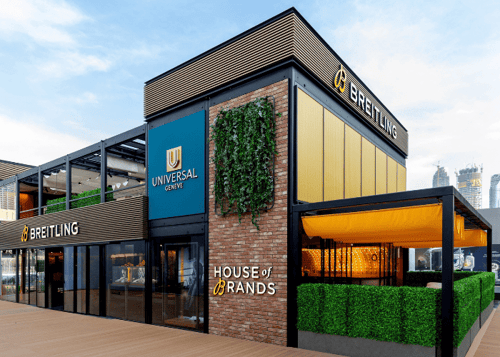
Luxury exhibit design does not need to be loud or opulent. What counts is that the spatial concept convincingly communicates the brand's identity and commitment to excellence. Clean architectural lines, curated materials, precise product staging, and thoughtfully planned zones for personal engagement create an environment where visitors experience the brand with heightened intensity. The result is an exhibition presence that avoids generic expressions of luxury, making the unique essence of the brand visible, tangible, and spatially felt.
Gain further insights into the world of trade fair and event marketing