
The automotive industry is changing. Electric mobility, connected vehicles, automated driving and intelligent charging infrastructures are adding new technologies and functions to the car. At the same time, the vehicle remains a physical product that people want to see, experience and touch. This is where “phygital” comes in: the term combines “physical” and “digital”. In automotive exhibit design, it means connecting real vehicles and exhibits with digital technologies such as LED, interactive displays, software, virtual reality and augmented reality. This makes it possible to showcase the vehicle itself while also making complex topics such as battery technologies, charging processes, assistance systems and connected mobility easier to understand.
Auto shows are therefore not becoming less relevant, but they are changing. Traditional vehicle presentations are increasingly complemented by digital content and interactive experiences.
The Evolution of Brand Staging: From Vehicles to Connected Experiences
The transformation of the automotive industry is also changing the way brands present themselves in physical spaces. Alongside the vehicle itself, topics such as electric mobility, software, connectivity, automated driving and charging infrastructure are becoming increasingly important.
For automotive exhibit design, this means that the vehicle remains the physical and emotional centre of the presentation, while digital information and applications add new layers to the experience.
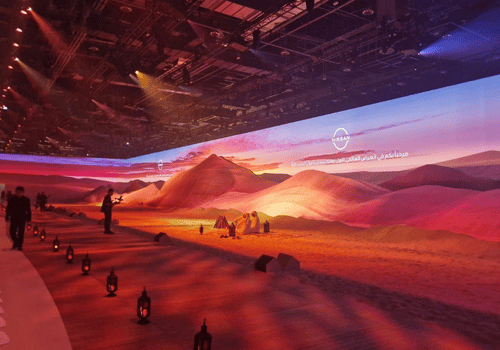
The Transformation into a Mobility Brand Experience
Today’s automotive brands present more than vehicles. Digital services and software-driven functions are becoming an increasingly important part of the overall product experience. The challenge is to communicate these often abstract topics in a physical environment.A Mobility Brand Experience therefore combines aesthetics and functionality, real vehicles and digital content. Visitors can experience the vehicle itself while also learning more about the technologies behind it. This creates an engaging experience that makes complex technology easier to understand and brings the brand to life.
New Requirements for Automotive Launches in Exhibit and Event Architecture
Introducing new vehicle generations brings new requirements for trade fair and event formats. Modern exhibit and event architecture responds with flexible, modular structures that bring together vehicles, digital content and different presentation formats.
Key modular, scalable solutions include:
-
Moving Reveal Platforms: Articulating modules that flexibly adjust to varying vehicle dimensions and dramatic unveilings;
-
Modular LED Wall Systems: Modular support frameworks that seamlessly integrate media technology flush with surfaces and adapt to any ceiling height;
-
Interactive Stations: Freestanding stations that flexibly showcase tactile physical components or digitally bring abstract software architectures to life;
-
Hybrid Presentation Zones: Intelligent tracking surfaces that seamlessly link the physical vehicle with immersive augmented reality experiences.
Spatial Staging of E-Mobility and Complex Charging Architectures
Presenting e-mobility shifts the focus from pure hardware to unseen flows of energy and data. Silent high-voltage batteries and complex charging infrastructures require innovative, phygital visualization methods on the showroom floor. By pairing physical exhibits with dynamic lighting media, abstract charging cycles and power distributions become directly graspable. This spatial transparency transforms technical specifications into an understandable and engaging experience for visitors.
Effective formats for staging e-mobility in physical spaces include:
-
Light-Guided Energy Flow Visualizations: Dynamic LED bands that vividly simulate power exchange between charging stations, buffer storage, and the vehicle;
-
Transparent OLED Cutaway Displays: Interactive screens that overlay physical battery housings with digital data on cell structures and thermal management;
-
Interactive Smart Grid Models: Tactile exhibits that allow visitors to navigate the synergy between photovoltaics, bidirectional charging, and intelligent building energy management;
-
Virtual AR Charging Management: Augmented reality applications that project charging cycles, real-world range, and grid loads directly onto the physical display vehicle.
The Convergence of Reality and Virtuality in Exhibition Spaces
Media technology adds new interactive possibilities to traditional exhibition spaces. Complex technologies can be communicated in an accessible way without shifting the focus away from the physical vehicle. Two possible formats are phygital showrooms and virtual vehicle presentations.
The Automotive Phygital Showroom as an Experiential Space
The combination of physical and digital elements creates interactive customer experiences. A well-designed showroom allows visitors to explore complex vehicle data intuitively. For example, powertrain technologies and battery management systems can be presented through touch-sensitive interfaces.
Exhibition architecture and media technology complement each other: the physical vehicle remains at the centre, while digital applications provide additional information and context.
Virtual Vehicle Presentations Powered by Augmented Reality
Augmented Reality (AR) grants visitors an interactive X-ray view directly beneath the hood of the physical display vehicle. An interactive virtual vehicle presentation renders complex power currents and sensor-based driver assistance systems visually tangible. These gamified interactive elements decode intricate software routines, fostering a clear understanding of advanced technological innovations.
Physical Experience, Digital Understanding: Automotive Exhibit Design Reimagined
Gain further insights into the world of trade fair and event marketing